Occupational health includes prevention, health surveillance and risk assessment, with the aim of creating safer workplaces that comply with current requirements.
In Italy, occupational health is not only good company practice but a legal responsibility. Here is what it means, which rules govern it and what employers and workers are expected to do.
What is occupational health?
Occupational health is the branch of medicine concerned with protecting workers’ health in relation to the risks arising from their professional activities.
Its main purpose is to prevent or identify occupational diseases, accidents and conditions that may affect people’s physical and mental wellbeing. Risks in the workplace are analysed and suitable preventive measures and health checks are introduced.
Key activities include:
- Health surveillance of workers
- Preventive and periodic medical examinations
- Fitness assessment for the role
- Collaboration on the company risk assessment
- Promotion of health and prevention at work

The reference legislation
Occupational health in Italy is mainly governed by Legislative Decree 81/2008, known as the Consolidated Health and Safety at Work Act.
The decree sets duties for employers, workers and the people involved in company safety, including the competent physician.
The company must appoint a competent physician to carry out the health checks required by the risk assessment and the law.
The role of the competent physician
The competent physician is a specialist who works with the employer to protect employee health.
The physician performs the medical examinations required by law, issues fitness judgements, establishes and updates individual health records, collaborates on the workplace risk assessment and contributes to prevention and protection measures. The role is therefore strategic not only from a healthcare perspective, but also in the overall management of company safety.
What duties does the employer have?
Occupational health rules place several duties on the employer to protect employees.
The main duties include:
- Risk assessment: identify and analyse the risks of company activities through the Risk Assessment Document (DVR).
- Appointment of the competent physician: assign a physician to manage health surveillance.
- Organisation of medical visits: ensure employees attend examinations within the required timeframes.
- Prevention measures: adopt technical, organisational and procedural measures to reduce occupational risks.
Failure to meet these duties can result in administrative and criminal sanctions.
The duties of workers
Workers also have specific responsibilities in occupational health.
They must attend the required medical examinations, use the personal protective equipment provided, report dangerous situations and cooperate with the employer and competent physician. Workplace safety is the result of active collaboration between every person involved.
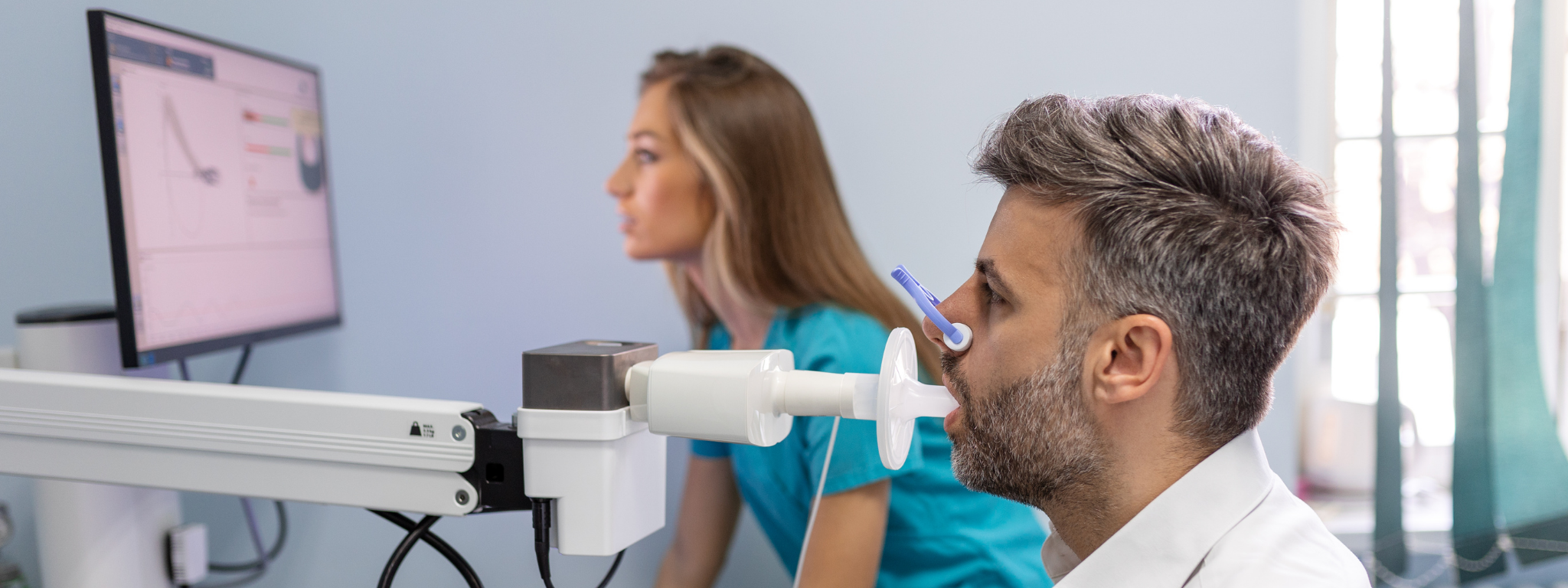
Medical examinations in occupational health
Health surveillance includes several types of medical examination:
- Pre-employment examination: before hiring or assignment to a role.
- Periodic examination: to monitor health over time in relation to occupational risks.
- Examination at the worker’s request: when the employee believes work conditions may affect health.
- Examination for a change of role: when new duties introduce different risks.
- Examination at the end of employment: in the specific situations established by law.
Why occupational health matters to companies
Investing in occupational health means more than following the law: it improves the way the company works.
Good health and safety management reduces accidents and occupational disease, protects wellbeing, lowers absence and inactivity costs, supports continuity and improves the internal climate. A prevention-minded workplace also strengthens productivity, efficiency and the company’s reputation.
Companies that adopt a prevention culture often gain concrete organisational and economic benefits.
Occupational health according to Skema
Occupational health is an essential tool for safe, compliant workplaces. Through collaboration between the employer, competent physician and workers, companies can prevent risks, protect people and improve organisational efficiency.
Understanding the duties under Legislative Decree 81/2008 and applying health-surveillance procedures correctly allows companies to comply with the law while valuing their people.
Skema HSE’s model is part of an integrated HSE approach to workplace health and safety. Through structured, multidisciplinary advice, we support compliance and build a widespread, informed safety culture.